

Written by Zachary Comeau
Playing by intent makes competitive Warhammer fun, unique, and worth trying
Warhammer 40k at it’s best is a huge game. Dozens, sometimes hundreds, of hand-painted minis, all with unique rules and abilities, maneuver and battle across massive tables full of terrain. While I think this is quite fun and a tabletop gaming experience like few others, it does make the game difficult to play at tournaments. In recent years however, the competitive Warhammer 40k community introduced, and widely adopted, the concept of “playing by intent. In short, as you move, shoot, and fight your units across the battlefield, you and your opponent communicate the intent behind your actions. I’ve been playing Warhammer 40k for a long, long time, and I think this community innovation has had a significant role in the recent growth of the competitive Warhammer 40k scene by making the game more unique, more forgiving, and ultimately more fun.
What is playing by intent?
It’s a simple concept, but it reflects the uniqueness of Warhammer 40k as a competitive game. Warhammer 40k is an open information environment. Like chess, you have no hidden cards or abilities, just a near-infinite set of moves. However, unlike chess, playing Warhammer 40k requires constant dialogue with your opponent. When a unit shoots or fights, it might have a bunch of different weapons that want to be directed at different targets, those targets might have defensive abilities that your opponent can activate, and all of this requires verbal communication between you and your opponent about unit profiles, rules, and activations.
“Playing by intent” helps formalize the amount and the type of information you should be communicating with your opponent.
As an example, I declare my intent that, “I’m going to move this unit here, to shoot your unit over there”. By communicating my intent, I’ve immediately given you an opportunity to correct me on mechanical errors. Perhaps my unit is just out of range, or perhaps it can’t quite see yours – I could spend a lot of time checking, and rechecking every action, or we can work together to fix mistakes before they happen, and as a result, play the game more quickly and fluidly.
With so much complexity, so many moving parts, and so many rules, no game of Warhammer 40k is ever played perfectly. Mistakes are common in a game of Warhammer 40k, and players, myself included, will often ask for takebacks when they make a mechanical error. Declaring the intent behind unit actions opens the line of communication for your opponent to interject with rule reminders to fix mechanical mistakes before they happen, reducing the number of takebacks in a game, and ultimately improving the overall flow of the game.
In previous editions, before the concept of playing by intent had been adopted, conflict could result when players didn’t have mutually agreed expectations for communication. “I wouldn’t have done that, if I had known” was a common refrain and would lead to players asking for delayed takebacks or feels-bad moments. As a result, the game was both slower and less tactical; instead, an exercise in precision and who could better memorize the huge volume of rules. Fundamentally, playing by intent should set a framework for clear lines of communication, facilitates catching mistakes before they happen, and result in a faster, and more enjoyable gameplay experience.
How does it make the game more unique?
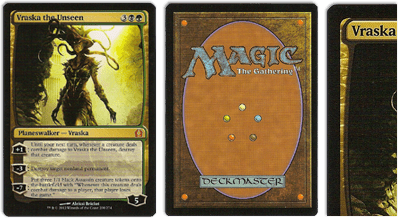
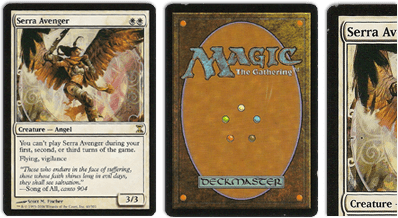
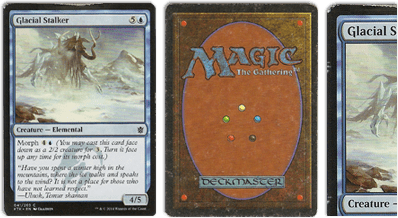
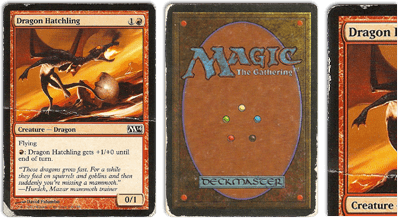
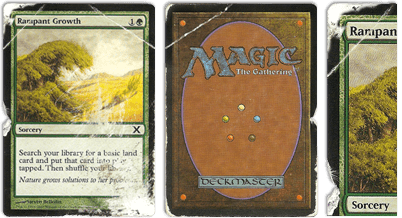
As mentioned, unlike any other competitive game I’ve played, Warhammer 40k necessitates a constant dialogue between you and your opponent. Many competitive games, such as Magic the Gathering, don’t require you to speak (much) to your opponent. Rules and effects are explained on the cards, and physical actions, such as turning a card sideways, demonstrate in-game actions without further verbal explanations.
When playing Warhammer 40k, before the game even begins, it’s expected that you’ll each spend a couple minutes explaining the unique rules and abilities of your respective armies. In practice, this is often an opportunity for both players to show off particularly well painted miniatures or fun conversions, bonding of their shared love of the hobby. Once the game begins, when playing by intent, the experience is transformed from potentially combative to collaborative.
When each player is less worried about being punished for mechanical mistakes, goodwill becomes reciprocal, and the game becomes both more tactical and more enjoyable. Since each player can instead worry about mastering their battleplan, the loser of the game can still come away with a sense of satisfaction that their loss was a result of tactical misplays, and not a result of forgetting a rule or making a mechanical mistake.
Since Warhammer 40k games also typically take multiple hours to complete, playing the game as a collaborative but tactical experience is highly rewarding. I’ve played Warhammer 40k against people from all over the world and, in part because of the collaborative experience of playing by intent, made lasting international friendships from just from playing a single game with someone.
Ok but how do you play by intent?
Your overarching goal of playing by intent should be to maintain an open dialogue to remove ambiguity for your opponent. Most commonly, intent can be used to quickly define precise measurements where a fraction of an inch can make a big difference.
Perhaps your unit has an ability that triggers when my unit gets within 6”. I can state my intent for my unit to stay “just outside of 6”, but if I’m accidentally 5.9” away, because I stated my intent, we now both know that this was a mechanical error and not a tactical one.
At the highest level, this can even be extended proactively. Perhaps you see me moving my unit within 6” of yours and you recognize that this is a mechanical mistake on my part. You could pre-emptively ask me to clarify the intent of my movement and in the process remind me that your units’ ability would trigger.
In just one exchange, we’ve avoided the “I wouldn’t have done that, if I had known” pitfall, sped up our gameplay, and extended a level of sportsmanship rarely encouraged in other competitive games. This is how Warhammer 40k truly becomes collaborative and a uniquely fun wargaming experience.
The 11th edition of Warhammer 40k is just around the corner, and there’s never been a better time to get into it.
 '
' '
' '
' '
' '
'